Coolant Leak Repair Cost Estimator: Calculate Your Repair Costs
Use this estimator to calculate the cost of fixing a coolant leak based on vehicle type, labor costs, and parts required.
List of the Best Coolant:
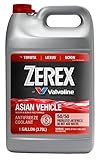

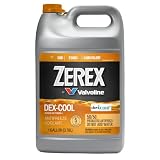
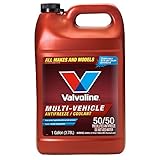

Understanding Coolant Leak Repair Costs
A coolant leak can cause your engine to overheat and result in serious damage if not repaired quickly. The cost of fixing a coolant leak depends on several factors, including the location and severity of the leak, the vehicle type, and the required parts. The single most important cost variable is where the leak is coming from — a leaking hose may cost under $150 to fix, while a leaking head gasket can exceed $3,000. The figures in this guide are planning ranges, not quotes.
Safety First: When to Stop Driving
A coolant leak is not a "drive it and see" problem. If the temperature gauge climbs, the coolant warning light comes on, or you see steam, pull over and stop the engine. Continuing to drive with low coolant can warp the cylinder head, blow the head gasket, or seize the engine — turning a $200 hose repair into a multi-thousand-dollar engine rebuild. A small, slow leak (a few drops overnight) can often be monitored and driven short distances to a shop; a steady drip or visible spray should be addressed immediately.
Factors That Affect Coolant Leak Repair Costs
The following factors influence the total cost of fixing a coolant leak:
1. Vehicle Type
The type of vehicle affects both the cost of parts and labor. Luxury vehicles, trucks, and larger SUVs tend to be more expensive to repair due to the cost of parts and the complexity of the cooling system. Some luxury models use specialized coolant and have tightly packaged engine bays that increase labor time.
2. Parts Required
The cost of parts varies greatly depending on the source of the leak. A radiator hose, clamp, or thermostat housing is inexpensive; a radiator, water pump, or heater core costs more; a cracked head or failed head gasket is the most expensive scenario by far. See our radiator replacement cost estimator and head gasket repair cost estimator for those specific repairs.
3. Labor Costs
Labor costs are a significant factor, especially if the coolant leak is difficult to access or involves removing other parts of the engine to fix. Labor rates typically range from $50 to $150 per hour, depending on location and mechanic expertise.
4. Severity of the Leak
If the leak is small and located in an easy-to-reach area, the repair will be cheaper. Larger, more complex leaks (e.g., a cracked radiator or engine block) may require extensive work and more expensive parts.
Estimated Costs for Coolant Leak Repair
The cost of repairing a coolant leak can range based on the vehicle and the complexity of the leak. Here's an estimated breakdown:
- Sedan: $100 - $500
- SUV: $150 - $700
- Truck: $200 - $900
- Luxury Vehicle: $500 - $1,500+
These ranges assume a common leak source such as a hose, clamp, or thermostat housing. Leaks from the water pump, heater core, or head gasket fall outside these ranges and are priced separately.
Cost Breakdown for Coolant Leak Repair
Here's a more detailed cost breakdown for repairing a coolant leak:
| Component | Cost Range | Details |
|---|---|---|
| Parts | $20 - $500+ | Cost of parts (radiator, hoses, gaskets, etc.) |
| Labor | $50 - $150 per hour | Labor costs depend on vehicle type and repair time required |
| Additional Work | Varies | Additional costs if the engine or other major components are involved |
Coolant Type Matters
Modern vehicles use different coolant chemistries — OAT, HOAT, and traditional green coolant — and mixing them can cause gel formation that clogs the radiator and heater core. When topping off or refilling after a repair, use the coolant specified in your owner's manual. Using the wrong type is a common and avoidable cause of repeat cooling system problems.
How to Save on Coolant Leak Repair
- Diagnose before replacing parts: A pressure test pinpoints the leak source and prevents paying for parts you don't need.
- Fix small leaks early: A cheap hose or clamp now prevents an expensive overheating repair later.
- Use quality aftermarket parts: Reputable brands cost less than OEM without sacrificing reliability for common components.
- Get multiple quotes: Labor rates and diagnostic fees vary widely between shops.
- Stay on top of routine maintenance: A serpentine belt drives the water pump on many engines — a worn belt can cause pump failure and a coolant leak.
Frequently Asked Questions About Coolant Leak Repair
How much does it cost to fix a coolant leak?
Most common leaks (hoses, clamps, thermostat housing) cost $100–$500 for a sedan and $500–$1,500+ for a luxury vehicle. Leaks from the radiator, water pump, or heater core cost more, and a head gasket leak can exceed $3,000. The leak location, not the vehicle alone, drives the final price.
Can I drive with a coolant leak?
Only if the leak is very slow and the coolant level stays in range. If the temperature gauge rises, the coolant light comes on, or you see steam, stop driving immediately. Overheating can warp the cylinder head or blow the head gasket, turning a minor repair into a major one.
What causes a coolant leak?
Common causes include worn hoses and clamps, a cracked radiator, a failing water pump, a leaking heater core, a bad thermostat housing gasket, and — in the worst case — a failed head gasket or cracked engine block. A pressure test identifies the source.
Is it safe to use a coolant leak sealer?
Stop-leak products can temporarily slow a small leak, but they are not a permanent fix and can clog the heater core or radiator. They are best used as an emergency measure to reach a shop, not as a substitute for repair.
How long does a coolant leak repair take?
A hose or clamp replacement takes about 1 hour. A radiator or water pump replacement takes 2–5 hours depending on the vehicle. Head gasket repairs take significantly longer and may require the vehicle to stay at the shop for several days.