Brake Fluid Replacement Cost Estimator: Calculate Your Flush Costs
Get an accurate estimate for your brake fluid replacement by entering your vehicle details below.
List of the Best Brake Fluid:

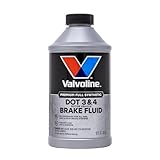


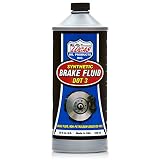
Understanding Brake Fluid Replacement Costs
Brake fluid is the hydraulic lifeblood of your vehicle's braking system. It transfers the force from your brake pedal to the calipers and wheel cylinders, enabling your car to stop safely and reliably. Unlike brake pads and rotors, which visibly wear out, brake fluid degrades chemically over time, absorbing moisture from the air and accumulating contaminants. This degradation lowers the fluid's boiling point, which can lead to dangerous brake fade under heavy or repeated braking. For this reason, most manufacturers recommend a brake fluid flush every two to three years, regardless of mileage. Despite its importance, brake fluid replacement is one of the most overlooked maintenance services, and its cost can vary widely depending on your vehicle, the type of fluid required, and where you have the service performed. This comprehensive guide breaks down every factor that influences the final price, from fluid type and labor to ABS scanning and shop selection.
Why Brake Fluid Replacement Matters
Brake fluid is hygroscopic, meaning it naturally absorbs moisture from the surrounding air over time. Even in a sealed system, moisture can enter through rubber hoses, seals, and the master cylinder reservoir. As moisture content rises, the fluid's boiling point drops significantly. New DOT 3 fluid boils at around 400°F (205°C), but with just 3% water content, that can drop to 300°F (149°C) or lower. When brake fluid boils, it creates compressible gas bubbles in the hydraulic lines, resulting in a spongy pedal and drastically reduced stopping power — a condition known as vapor lock or brake fade. Contaminated fluid also corrodes internal components like the master cylinder, calipers, and ABS modulator, leading to expensive repairs. Regular replacement is therefore not just a performance concern but a critical safety and reliability measure. Typical brake fluid service intervals range from 20,000 to 45,000 miles or every two to three years, whichever comes first. Vehicles used for towing, track driving, or in humid climates may need more frequent flushes.
Average Brake Fluid Replacement Cost Overview
Nationwide, a brake fluid replacement typically costs between $80 and $200, with the average hovering around $100 to $150. A simple bleed may cost as little as $60 to $100, while a full flush with ABS scan tool activation on a luxury vehicle can exceed $250. The table below summarizes typical ranges by vehicle category.
| Vehicle Category | Average Cost (Bleed Only) | Average Cost (Full Flush) | Labor Time | Notable Considerations |
|---|---|---|---|---|
| Economy / Compact | $60 - $100 | $80 - $150 | 0.5-1 hour | Simple hydraulic system, minimal fluid required, no ABS scan often needed |
| Mid-Size Sedan | $70 - $110 | $90 - $170 | 0.5-1 hour | Standard complexity, common fluid types, some with ABS requiring scan |
| SUV / Crossover | $80 - $130 | $100 - $190 | 0.75-1.5 hours | Larger fluid capacity, rear electronic parking brake may require scan tool |
| Truck / Large SUV | $90 - $150 | $120 - $220 | 1-1.5 hours | Heavy-duty fluid, larger reservoirs, towing packages may need DOT 4 |
| Luxury / Performance | $110 - $180 | $150 - $280+ | 1-2 hours | OEM fluid specifications, ABS scan required, high-performance DOT 4 or 5.1 |
Cost Breakdown by Component
Understanding how the total price is divided helps you evaluate whether a quote is fair. The two main components are fluid and labor, but ancillary items like ABS scan tool usage, disposal fees, and shop supplies can change the final number.
| Component | Percentage of Total Cost | Typical Range | Key Factors |
|---|---|---|---|
| Brake Fluid (Parts) | 15-30% | $10 - $40 | Fluid type (DOT 3, 4, 5.1, 5), quantity, brand, OEM vs aftermarket |
| Labor | 50-70% | $50 - $180 | Shop hourly rate, vehicle complexity, ABS scan requirement |
| ABS Scan Tool Activation | 5-15% | $20 - $60 | Required on many modern vehicles to cycle ABS pump and purge old fluid |
| Disposal & Shop Supplies | 5-10% | $5 - $20 | Fluid disposal fees, rags, brake cleaner, bleeder screws |
| Bleeder Screw Replacement | 3-8% | $10 - $40 | Seized or corroded bleeder screws may need replacement |
Brake Fluid Types and Cost Differences
The type of brake fluid your vehicle requires directly affects both the purchase price and the service complexity. Each type has different chemical properties, boiling points, and compatibility requirements. Using the wrong fluid can damage seals and reduce braking performance.
| Fluid Type | Cost Range (Per Quart) | Dry Boiling Point | Wet Boiling Point | Best For |
|---|---|---|---|---|
| DOT 3 | $6 - $12 | 401°F (205°C) | 284°F (140°C) | Most passenger cars and light trucks, daily driving |
| DOT 4 | $10 - $20 | 446°F (230°C) | 311°F (155°C) | Performance cars, European vehicles, towing, heavy braking |
| DOT 5.1 | $12 - $25 | 500°F (260°C) | 356°F (180°C) | High-performance street and track use, ABS-equipped vehicles |
| DOT 5 (Silicone) | $20 - $40 | 500°F (260°C) | 356°F (180°C) | Classic cars, show cars, vehicles stored long-term (not for ABS) |
Service Types: Bleed vs. Flush vs. ABS Flush
Not all brake fluid services are the same. A bleed removes air from the hydraulic system, typically after a component replacement, while a flush replaces all the old fluid with new fluid. An ABS flush uses a scan tool to cycle the ABS pump and purge fluid from the ABS modulator, which is essential on many modern vehicles. The table below compares these services.
| Service Type | Cost Range | What It Does | When Needed |
|---|---|---|---|
| Bleed Only | $60 - $110 | Removes air from lines, tops off fluid | After caliper, hose, or master cylinder replacement |
| Full Flush / Exchange | $80 - $180 | Replaces all old fluid with new fluid | Every 2-3 years or 20,000-45,000 miles |
| Flush with ABS Scan Tool | $120 - $280+ | Cycles ABS pump to purge modulator and lines | Modern vehicles with ABS, especially European models |
Labor Rates and Shop Selection
Labor is the largest part of your brake fluid replacement estimate. Independent shops typically charge $80 to $150 per hour, while dealerships charge $120 to $220 per hour. A brake fluid flush usually takes 0.5 to 1.5 hours, so labor alone can range from $50 to $250. Some shops use a flat-rate book time rather than actual clock time, which is standard in the industry. Mobile mechanics may charge a premium for convenience but can be competitive for simple brake fluid services. Always ask whether the quote includes ABS scan tool activation, brake fluid disposal, and a road test. It's also worth asking if the shop will use a pressure bleeder or a vacuum bleeder, as the method can affect both speed and thoroughness.
Signs You Need a Brake Fluid Flush
Recognizing the warning signs of degraded brake fluid can prevent costly damage to your braking system. The most common indicators include:
- Spongy or soft brake pedal: Indicates moisture or air in the system, reducing hydraulic pressure.
- Dark or discolored fluid: Fresh fluid is clear to light amber; dark brown or black fluid is contaminated.
- Brake pedal feels low: If the pedal sinks toward the floor, fluid may be leaking or degraded.
- Dashboard brake warning light: Some vehicles monitor fluid level and quality.
- Longer stopping distances: Reduced hydraulic efficiency means the vehicle takes longer to stop.
- Time or mileage interval: Even without symptoms, follow the manufacturer's recommended interval.
How to Save on Brake Fluid Replacement
You can reduce the cost of brake fluid replacement without sacrificing safety. Consider these strategies:
- Combine services: If you need brake pads or rotors, ask if the fluid flush can be bundled at a discount.
- Use independent shops: They often have lower labor rates than dealerships and may allow you to supply your own fluid.
- Watch for coupons: Many chains run brake service specials that include a free or discounted fluid flush.
- Choose the right fluid: Don't pay for high-performance DOT 5.1 if your vehicle only requires DOT 3.
- Ask about a pressure bleeder: This method is faster and often costs less in labor than manual bleeding.
- Stay on schedule: Regular flushes prevent corrosion and costly repairs to the master cylinder and ABS module.
Frequently Asked Questions About Brake Fluid Replacement
How long does a brake fluid replacement take?
A typical brake fluid flush takes 0.5 to 1.5 hours. A simple bleed may take as little as 30 minutes, while a full flush with ABS scan tool activation can take up to 2 hours. Factors that extend the time include seized bleeder screws, rusted lines, and the need to cycle the ABS pump multiple times. Some shops offer while-you-wait service for brake fluid flushes.
Do I really need to replace brake fluid?
Yes, if your vehicle is more than two to three years old or has more than 20,000 to 45,000 miles on the fluid. Brake fluid absorbs moisture over time, which lowers its boiling point and can cause brake fade, corrosion, and expensive component failure. Even if you don't notice symptoms, following the manufacturer's interval is the best way to protect your braking system and your safety.
Can I replace brake fluid myself?
Yes, brake fluid replacement is a DIY-friendly job for someone with basic mechanical skills and the right tools. You will need a jack, jack stands, a lug wrench, a bleeder wrench, clear tubing, a catch bottle, and fresh brake fluid. A pressure bleeder or vacuum bleeder makes the job much easier. However, if your vehicle has ABS and requires a scan tool to cycle the pump, professional service is recommended. A mistake in brake work can be dangerous.
How often should brake fluid be replaced?
Most manufacturers recommend a brake fluid flush every two to three years or every 20,000 to 45,000 miles, whichever comes first. Vehicles used for towing, track driving, or in humid climates may need more frequent flushes. Some luxury and performance vehicles specify annual flushes. Always check your owner's manual for the exact interval.
What is the difference between DOT 3, DOT 4, and DOT 5.1?
DOT 3, DOT 4, and DOT 5.1 are all glycol-based fluids and are generally compatible with each other, though you should always use the type specified by your manufacturer. DOT 3 has the lowest boiling point and is most common in passenger cars. DOT 4 has a higher boiling point and is used in performance and European vehicles. DOT 5.1 has the highest boiling point of the glycol-based fluids and is used in high-performance and ABS-equipped vehicles. DOT 5 is silicone-based and is not compatible with ABS systems or glycol-based fluids.
Can I mix different types of brake fluid?
You should never mix DOT 5 (silicone) with DOT 3, 4, or 5.1 (glycol-based). Mixing them can cause seal damage and brake failure. DOT 3, 4, and 5.1 can technically be mixed in an emergency, but doing so reduces the boiling point and performance of the fluid. Always use the type specified by your vehicle manufacturer and flush the system completely if you switch types.
What is a brake fluid flush with ABS scan tool?
A brake fluid flush with ABS scan tool involves using a diagnostic scan tool to activate the ABS pump and cycle the valves in the ABS modulator. This purges old fluid from the ABS unit, which cannot be reached by a simple gravity or pressure bleed. Many modern vehicles, especially European models, require this procedure for a complete flush. It adds $20 to $60 to the cost but ensures all contaminated fluid is removed.
Will a brake fluid flush make my brakes feel better?
Yes, in many cases. A brake fluid flush can restore a firm, responsive brake pedal if the old fluid was contaminated with moisture or air. It also improves the fluid's boiling point, reducing the risk of brake fade under heavy braking. However, if your brake pads or rotors are worn, a fluid flush alone won't fix poor braking performance. It's best to inspect the entire braking system.
How can I extend the life of my brake fluid?
You can't prevent brake fluid from absorbing moisture, but you can slow the process. Keep the master cylinder reservoir cap tightly sealed and never leave the cap off longer than necessary. Avoid opening the reservoir to check fluid unless you're adding fluid. Use fresh, unopened brake fluid from a sealed container, and never reuse old fluid. Following the manufacturer's replacement interval is the best way to protect your braking system.