Brake Pad Replacement Cost Estimator: Calculate Your Replacement Costs
Get an accurate estimate for your brake pad replacement by entering your vehicle details below.
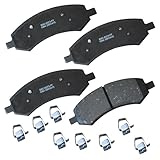
List of the Best Brake Pad:



Understanding Brake Pad Replacement Costs
Brake pad replacement is one of the most common maintenance services for any vehicle, yet the cost can vary dramatically depending on your vehicle type, the materials used, and where you have the work done. Understanding what goes into a brake pad replacement estimate helps you compare quotes, avoid overpaying, and make smart decisions about your vehicle's safety. This comprehensive guide breaks down every factor that influences the final price, from parts and labor to rotors, sensors, and shop selection.
Why Brake Pad Replacement Matters
Brake pads are the friction material that presses against your brake rotors to stop your vehicle. Over time, the friction lining wears down, reducing stopping power and eventually damaging the rotors if ignored. Replacing brake pads at the right interval is critical for safety, and it also protects more expensive components like calipers and rotors. Typical brake pads last between 30,000 and 70,000 miles, but driving habits, vehicle weight, and pad material all affect longevity. City drivers who brake frequently may need replacements closer to 30,000 miles, while highway commuters might stretch to 70,000 miles or more.
Average Brake Pad Replacement Cost Overview
Nationwide, a brake pad replacement typically costs between $150 and $500 per axle, with the average hovering around $250 to $350 per axle. When replacing both front and rear brakes, the total often lands between $300 and $900. Luxury and performance vehicles can exceed $1,000 for all four wheels, especially when OEM pads and rotors are required. The table below summarizes typical ranges by vehicle category.
| Vehicle Category | Average Cost Per Axle | Average Cost Both Axles | Labor Hours | Notable Considerations |
|---|---|---|---|---|
| Economy / Compact | $150 - $300 | $280 - $550 | 1-1.5 hours | Simple caliper design, lower parts cost |
| Mid-Size Sedan | $180 - $350 | $340 - $650 | 1-2 hours | Standard complexity, common pad sizes |
| SUV / Crossover | $200 - $400 | $380 - $750 | 1.5-2.5 hours | Larger pads, heavier vehicle, rear electronic parking brake |
| Truck / Large SUV | $250 - $500 | $480 - $950 | 2-3 hours | Heavy-duty pads, larger rotors, seized hardware |
| Luxury / Performance | $300 - $700+ | $600 - $1,400+ | 2-4 hours | OEM requirements, low-dust ceramic, wear sensors |
Cost Breakdown by Component
Understanding how the total price is divided helps you evaluate whether a quote is fair. The two main components are parts and labor, but ancillary items like rotors, hardware, and sensors can significantly change the final number.
| Component | Percentage of Total Cost | Typical Range | Key Factors |
|---|---|---|---|
| Brake Pads (Parts) | 25-40% | $40 - $250 | Material type, brand, OEM vs aftermarket |
| Labor | 35-50% | $70 - $300 per axle | Shop hourly rate, vehicle complexity |
| Rotors (if replaced) | 20-45% | $80 - $400 per axle | Wear, resurfacing vs replacement, quality |
| Hardware & Gaskets | 5-10% | $15 - $60 | Shims, clips, anti-rattle springs |
| Wear Sensors | 3-8% | $20 - $80 | Electronic or mechanical sensors, luxury models |
| Brake Fluid / Diagnostic | 5-10% | $30 - $120 | Fluid flush, caliper inspection, test drive |
Brake Pad Material Types and Cost Differences
The material of your brake pads directly affects both the purchase price and the performance characteristics. Each type has trade-offs in noise, dust, longevity, and heat resistance.
| Pad Type | Cost Range (Parts Only) | Features | Best For |
|---|---|---|---|
| Organic | $30 - $70 | Quiet, gentle on rotors, but wears faster | Light commuting, older vehicles |
| Semi-Metallic | $50 - $120 | Excellent heat dissipation, durable, noisier | Trucks, SUVs, towing, performance driving |
| Ceramic | $70 - $180 | Low dust, quiet, long life, moderate heat handling | Daily drivers, luxury cars, clean wheels |
| Performance / Track | $120 - $350+ | Extreme heat resistance, high initial bite, dusty | Track days, modified cars, spirited driving |
Rotors: Resurface or Replace?
When replacing brake pads, the rotors should always be inspected. If the rotors are scored, warped, or below minimum thickness, they must be replaced. Many shops recommend replacing rotors with every pad change on modern vehicles because rotors are thinner than they used to be and often cannot be safely resurfaced. Resurfacing costs roughly $20 to $40 per rotor, while new rotors run $40 to $200 each depending on quality and vehicle. Ignoring worn rotors can cause noise, vibration, and reduced braking performance.
| Rotor Option | Cost Per Axle | Pros | Cons |
|---|---|---|---|
| Resurface (if within spec) | $40 - $80 | Lower cost, reuses existing rotors | Reduces thickness, not always possible |
| Standard Replacement | $80 - $250 | New surface, reliable performance | Higher cost than resurfacing |
| Premium / Drilled / Slotted | $150 - $450 | Better cooling, improved look, performance | Expensive, may be noisy, not for all uses |
Labor Rates and Shop Selection
Labor is a major part of your brake pad replacement estimate. Independent shops typically charge $80 to $150 per hour, while dealerships charge $120 to $220 per hour. Brake pad replacement on a single axle usually takes 1 to 2 hours, so labor alone can range from $80 to $440 per axle. Some shops use a flat-rate book time rather than actual clock time, which is standard in the industry. Mobile mechanics may charge a premium for convenience but can be competitive for simple brake jobs. Always ask whether the quote includes labor for rotor replacement, brake fluid top-off, and a road test.
Signs You Need New Brake Pads
Recognizing the warning signs of worn brake pads can prevent costly damage to rotors and calipers. The most common indicators include:
- Squealing or squeaking: Built-in wear indicators create a high-pitched noise when pads are low.
- Grinding metal: The backing plate is contacting the rotor, which requires immediate attention.
- Dashboard brake light: Many modern cars have a brake wear warning light.
- Longer stopping distance: Reduced friction means the vehicle takes longer to stop.
- Vibration when braking: Often indicates warped rotors or uneven pad wear.
- Visual inspection: Less than 3mm of pad material remaining means replacement is due.
How to Save on Brake Pad Replacement
You can reduce the cost of brake pad replacement without sacrificing safety. Consider these strategies:
- Combine services: If you need new rotors, replacing pads at the same time saves labor.
- Choose quality aftermarket pads: Reputable brands like Akebono, Bosch, and Wagner offer OEM-quality performance at lower prices.
- Use independent shops: They often have lower labor rates than dealerships and may allow you to supply your own parts.
- Watch for coupons: Many chains run brake service specials that include pads and rotor resurfacing.
- Replace per axle, not per wheel: Always replace pads in pairs (both front or both rear) for even braking.
Frequently Asked Questions About Brake Pad Replacement
How long does a brake pad replacement take?
A typical brake pad replacement takes 1 to 2 hours per axle. Factors that can extend the time include seized caliper pins, rusted hardware, electronic parking brake retraction, and rotor replacement. If you are replacing both front and rear pads, expect 2 to 4 hours total. Some shops offer while-you-wait service for simple jobs.
Do I need to replace rotors when I replace brake pads?
Not always, but it is common. Rotors should be measured for thickness and checked for scoring, warping, and hot spots. If they are within specification, they can be resurfaced. If they are below minimum thickness or damaged, replacement is necessary. Many mechanics recommend replacing rotors with pads on modern vehicles because rotors are lighter and thinner than in the past.
Can I replace brake pads myself?
Yes, brake pad replacement is a DIY-friendly job for someone with basic mechanical skills and the right tools. You will need a jack, jack stands, a lug wrench, a C-clamp or caliper piston tool, and a torque wrench. However, if you are unsure about safety procedures or have electronic parking brakes, professional installation is recommended. A mistake in brake work can be dangerous.
How often should brake pads be replaced?
Most brake pads last between 30,000 and 70,000 miles. Front pads typically wear faster than rear pads because they handle more of the stopping force. Vehicles used for towing, mountain driving, or aggressive city driving may need pads sooner. Inspect your brakes at every oil change or at least once a year.
Are ceramic brake pads worth the extra cost?
Ceramic pads cost more upfront but offer quieter operation, less dust, and longer life than organic pads. They are an excellent choice for daily drivers and luxury vehicles. However, for heavy towing or track use, semi-metallic or performance pads may be more appropriate due to their superior heat handling.
What is a brake pad wear sensor?
A wear sensor is a small electronic or mechanical device that alerts you when the brake pads are low. Electronic sensors are common on BMW, Audi, Mercedes-Benz, and many newer domestic vehicles. When the pad wears down, the sensor completes a circuit or creates a scraping noise. Replacing a sensor usually adds $20 to $80 to the job.
Does brake pad replacement include a brake fluid flush?
No, a brake fluid flush is a separate service, though some shops bundle it. Brake fluid absorbs moisture over time, which can reduce braking performance and corrode internal components. Most manufacturers recommend a fluid flush every two to three years. It typically costs $80 to $150.
Will new brake pads make noise?
New brake pads may produce a slight squeal or squeak during the first few hundred miles as they bed in. This is normal. However, persistent grinding, clicking, or squealing after the break-in period may indicate improper installation, missing shims, or a hardware issue. Return to the shop if noise continues.
How can I extend the life of my brake pads?
Drive smoothly and anticipate stops. Avoid riding the brake pedal, and reduce speed before long descents by using engine braking. Keep your calipers clean and lubricated, and replace hardware as needed. Regular inspections can catch uneven wear early, which helps pads last longer.